
Understanding Commercial Sign Permits for Your Business
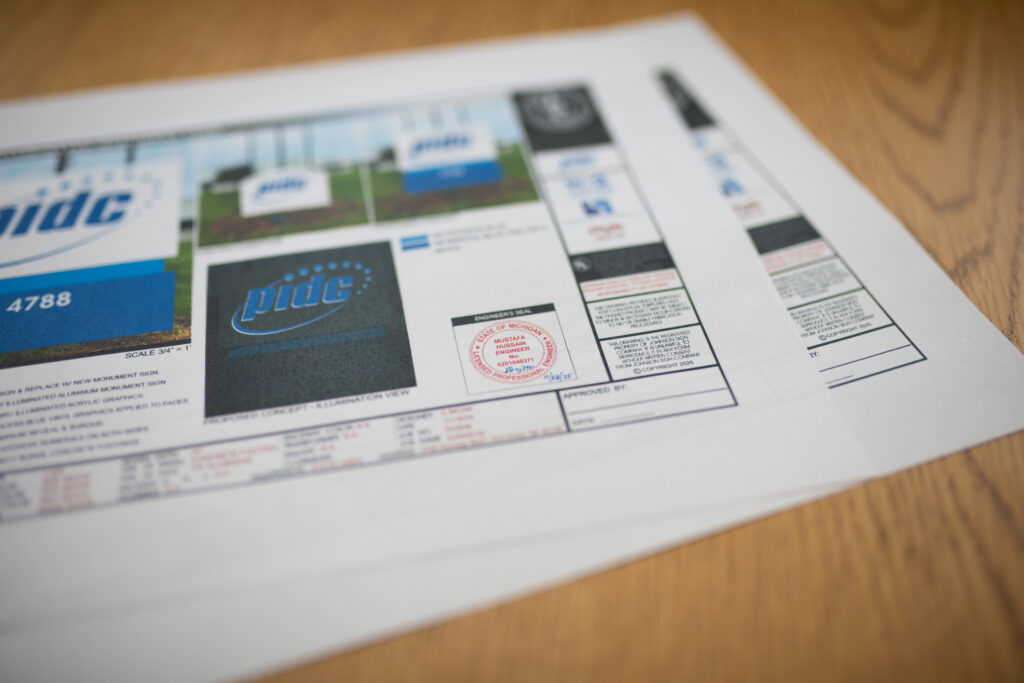
Installing a new business sign is one of the most exciting steps in building your brand, but before anything goes up, there’s one critical step that often gets overlooked: permitting.
Commercial sign permits are required by local governments to ensure signage complies with zoning codes, safety standards, and community design guidelines. Skipping this step can lead to fines, project delays, or even having to remove and redo your sign entirely.
What many business owners don’t realize is that permitting is often the longest and most unpredictable part of the entire sign project. While design and fabrication can move quickly, installation cannot begin until permits are approved and even small errors in the application can push timelines back by days or weeks.
In this guide, we’ll walk you through how sign permitting works, what factors affect approval, and what’s typically required to get your sign approved the first time.
Do You Need a Permit for a Business Sign?
In most cases, yes, especially for exterior signage.
Permits are typically required if your sign:
- Is permanently installed
- Is attached to a building or structure
- Includes lighting or electrical components
- Exceeds certain size limits
Some temporary or interior signage may not require a permit, but regulations vary by municipality. When in doubt, it’s always best to verify before moving forward.
Key Factors That Impact Sign Permits
Every city and township has its own sign ordinance, but most regulations are based on a common set of factors:
Size & Dimensions
Local codes often limit the height, width, and total square footage of a sign. Oversized signage is one of the most common reasons permits are denied.
Location & Setbacks
Where your sign is placed matters. Many municipalities require signs to be set back a certain distance from:
- Property lines
- Right of ways
- Sidewalks
Structural & Safety Requirements
Signs must be designed to withstand environmental conditions like wind, snow, and general wear. This often requires:
- Secure anchoring or mounting
- Engineered drawings for larger signs
- Proper foundation design for freestanding signs
Illumination & Electrical
If your sign is illuminated, additional regulations may apply:
- Brightness limits to reduce light pollution (in some areas)
- Dimming requirements for nighttime use (in some areas)
- Electrical permitting and compliance
Materials & Design Restrictions
Certain areas, especially historic districts or planned developments, may restrict:
- Materials used
- Colors and finishes
- Overall design aesthetics
Visibility & Transparency Rules
Window graphics and similar applications may be subject to rules that require a percentage of visibility to remain unobstructed.
The Sign Permit Process (Step-by-Step)
While the details vary by location, most sign permits follow a similar process:
- Submit Application with Drawings & Documentation
Includes business details and sign specifications (renderings, measurements, and technical details) - Zoning & Code Review
Local officials evaluate compliance with ordinances - Revisions (if needed)
Adjustments may be required before approval - Permit Approval & Installation
Once approved, fabrication and installation can begin
How Long Does the Sign Permit Process Take?
The timeline for sign permitting can vary depending on the municipality, the complexity of the sign, and how complete the initial submission is.
In general, most sign permits take:
- 1–2 weeks for simple signage in smaller municipalities
- 2–4 weeks for standard commercial signs
- 4–8+ weeks for larger, illuminated, or more complex projects
Projects located in historic districts or requiring engineering review may take even longer.
What a Professional Sign Permit Submission Looks Like
While requirements vary by municipality, most approved sign permits follow a detailed checklist. Here’s a behind-the-scenes look at what’s typically included in a complete submission.
Core Permit Requirements
- Letter of Authorization (LOA)
Signed by the property owner or landlord - Total Sign Area Calculations
Clearly documented on all submitted drawings
Building-Mounted Sign Requirements (Wall Sign & Wall Letters)
- Elevation rendering showing sign placement
- Cut sheets for materials and components
- Attachment and mounting details
- Building and suite dimensions (width, height, and mounting height)
Ground Sign Requirements (Monument & Pylon)
- Site plan showing the sign’s location on the property
- Foundation documentation:
If using an existing foundation:
- Details showing how the new sign will attach
If installing a new foundation:
- Engineered drawings outlining footing size, depth, and structural support
This level of detail is one of the main reasons sign permits can become time-consuming for business owners, each item must be accurate and compliant before approval.
Common Reasons Sign Permits Get Delayed or Denied
Even small mistakes can slow down the approval process. Some of the most common issues include:
- Incorrect or missing measurements
- Violating local zoning or size restrictions
- Incomplete application documents
- Missing engineering or structural details
- Electrical components not meeting code
How to Avoid Permitting Delays
The best way to avoid setbacks is to plan ahead and ensure everything is submitted correctly the first time.
- Work with professionals familiar with local codes
- Confirm requirements early in the design process
- Provide complete and accurate documentation
- Allow time for review and revisions
Why Work With a Sign Company That Handles Permits
Navigating sign permitting across different municipalities can be complex, especially when requirements vary from one location to the next.
Working with an experienced sign company means:
- You don’t have to interpret complicated ordinances
- Your documentation is prepared correctly from the start
- Potential issues are caught before submission
- The process moves faster with fewer delays
Get Expert Help With Your Next Sign Project
If you’re planning a new business sign and want to avoid the headaches of permitting, working with an experienced partner can make all the difference.
At Johnson Sign Co., we have a dedicated in-house permitting department that manages the entire process, from preparing documentation to securing approvals, so you don’t have to worry about navigating complex requirements or unexpected delays. Our team ensures everything is handled correctly from the start, helping keep your project on schedule and your installation on track.
Have questions or ready to get started? Contact our team today.